Service levels
Uptime figures on this site are design targets until a signed SLA names the measurement window, exclusions, and credits. Ask for the schedule that matches your academic calendar.
Applied vision for attendance and document capture
Computer vision and applied AI that sit inside an institutional workflow, with a human review step.
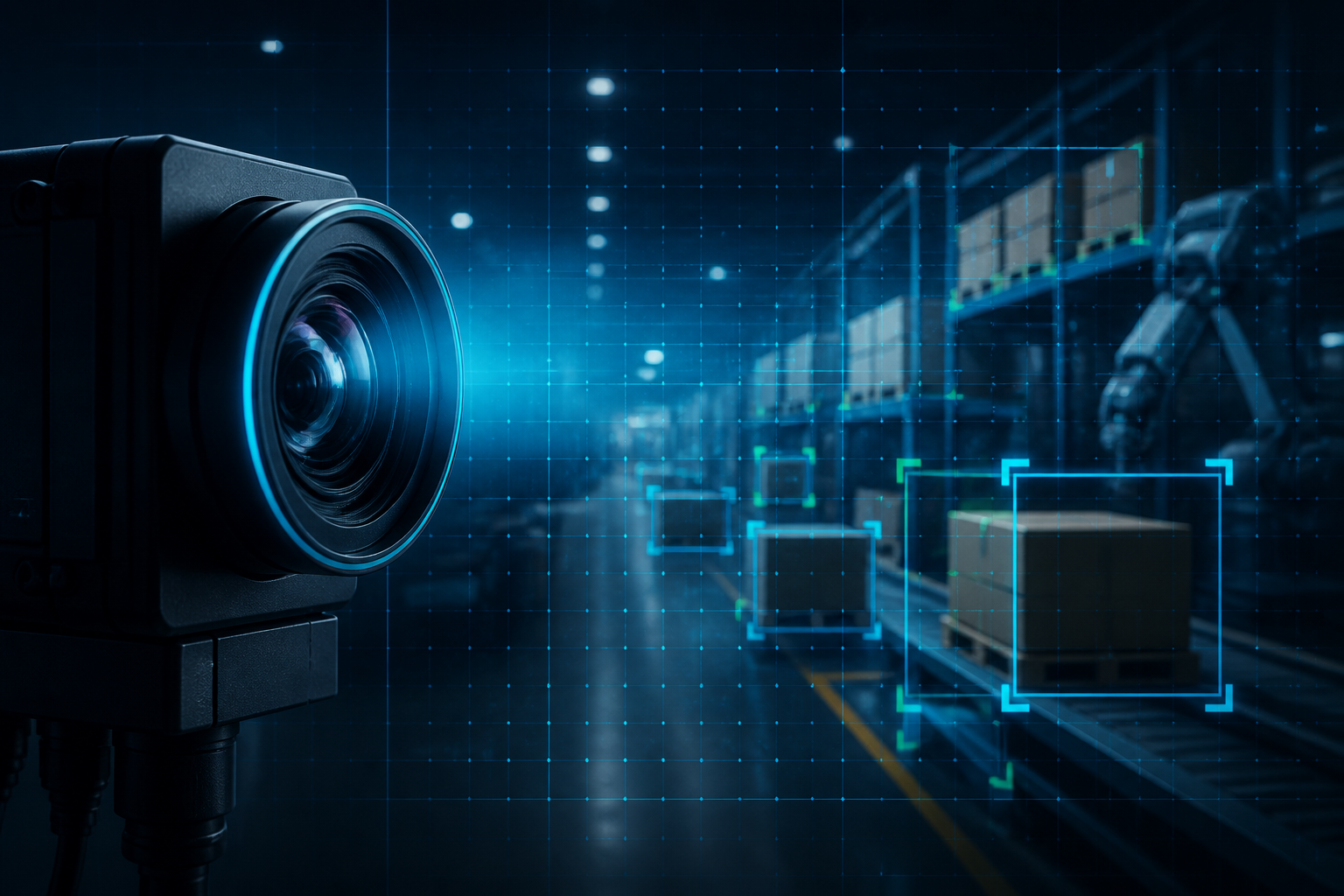
Computer vision is useful when a person, a bus, or a document must be recognized at a known point in the workflow. UpMost designs that capture with a human review step, role-based access to the images, and retention limits agreed with the institution. It supports school attendance, transport checks, and document intake. It is not a claim of autonomous decision making. Models are evaluated on the institution data sample before a production rollout.
Typical points are gate attendance, bus boarding, and scanning paper records into the student file. The academic record remains the school or university system.
Only roles named in the permission model. Retention and deletion follow the agreement with the institution.
Accuracy is measured on an agreed sample and reported for that engagement. We do not publish a universal accuracy claim.
Commitments below describe how UpMost operates. Contractual SLA numbers, certificates, and load-test percentiles are published only after they are recorded for that engagement.
Uptime figures on this site are design targets until a signed SLA names the measurement window, exclusions, and credits. Ask for the schedule that matches your academic calendar.
Handover includes admin training, a maintained backlog, and a named channel for incidents. Response times are agreed per contract, not implied by a marketing badge.
Before high-concurrency exams we review capacity, backups, and a rollback path, then run a load test when the institution wants a recorded result.
Access is role-based, transport is encrypted, backups are scheduled, and staff permissions are separated from parent and student sessions.